
Quick Links
- How to Qualify as an Accredited Investor
- Main Asset Classes to Compare
- Passive RE: Equity vs. Debt
- What Investment Opportunities Should Look Like
- How SPG Capital Works
- Due Diligence: Questions That Matter Most
- Risks to Understand Before You Invest
- Investment Advice & Disclosures
- Who This Is a Fit For
- Frequently Asked Questions
If you are searching for investments for accredited investors, you are probably looking for two things at the same time: higher income than the stock market and broader public market options usually offer, and a structure that feels understandable.
SPG Capital is an accredited-only private real estate debt fund with a $100,000 minimum (minimum investments may vary by offering and eligibility), a 9% preferred return for a 1-year commitment or 10% preferred return for a 2-year commitment, IRA eligibility, and monthly distributions paid on the 15th. SPG Capital deploys investor capital into a diversified portfolio of short-term, first-position, collateral-backed real estate loans in Delaware, Chester County PA, and Southern New Jersey.
This hub is a practical guide to the main accredited investor investment options, what "passive" should mean, how to think about hold periods, and what due diligence matters most before you commit capital.
How to Qualify as an Accredited Investor
To qualify as an accredited investor, you generally need to meet specific financial criteria set by regulation. Most individuals qualify based on income or net worth.
One detail many investors miss is the treatment of your primary residence. In many cases, it is excluded from the net worth calculation, which can impact your accredited investor status.
If you are unsure where you land, your CPA, attorney, or an investment advisor can help you confirm eligibility. SPG Capital offers a 506(c) accredited-only offering, which means accreditation must be verified before investing.
The Main Asset Classes Accredited Investors Compare
Accredited investors tend to weigh alternative strategies against familiar buckets, like stocks and bonds. The difference is that many alternative strategies are built around cash flow and underwriting rather than daily pricing.
Here are the most common categories.
Public Market Real Estate Options
If you want to invest in real estate without going private, you will usually see real estate investment trusts (REITs). REITs can be a helpful tool for liquidity and diversification, and many are registered with the Securities and Exchange Commission (SEC). They also move with market sentiment. In rough market conditions, even solid properties can get repriced quickly — sometimes for reasons unrelated to the underlying real estate.
Private Real Estate Investments
Private real estate investments include equity syndications, private real estate funds, and debt funds. These can be less correlated to headlines than publicly traded vehicles, but they come with tradeoffs like higher minimum investments and defined hold periods. For investors who want to invest outside daily market pricing, private structures can offer clarity — assuming the manager has a disciplined process.
Commercial Properties vs. Residential Collateral
Many private funds focus on commercial properties and broader commercial real estate (multifamily, industrial, office, retail). Others focus on residential. The collateral type matters because the demand drivers, exit paths, and pricing behavior can be different across each property segment.
SPG Capital focuses on residential real estate loans in the Mid-Atlantic. The goal is simple: collateral you can understand, paired with short-duration lending.
Passive Real Estate Investing: Equity vs. Debt
A lot of people hear "passive real estate investing" and assume they need to own rentals or buy into equity deals.
Equity can work well, but it often depends on execution, refinancing, and the exit sale. Cash flow can vary, and outcomes can hinge on pricing at the time of sale — especially when the market is shifting. For many investors, equity investments in real estate are best understood as a mix of operations plus market timing.
Debt is different. In accredited investor RE investments structured as real estate debt, the investor's return is driven by interest payments on loans that are secured by real property. You are not relying on a future sale price to make the model work.
That is why many investors view private real estate debt as a more predictable income tool inside the broader real estate asset class — especially compared to public market volatility.
| Factor | Equity Real Estate | Real Estate Debt SPG Capital |
|---|---|---|
| Return Driver | ✗Operations + exit sale price | ✓Interest payments on collateral-backed loans |
| Cash Flow Predictability | ✗Variable — tied to occupancy and operations | ✓Contractual — driven by loan interest rate |
| Depends on Exit Sale | ✗Yes — market timing matters | ✓No — principal returns as loans repay |
| Market Timing Risk | ✗High — cap rates and conditions affect value | ✓Lower — return tied to loan terms, not sale price |
| Collateral Protection | ✗Equity position — last in line | ✓First-position mortgage — senior in lien stack |
| Income Type | ✗Distributions if available | ✓Monthly distributions — paid on the 15th |
| Upside Potential | ✓Higher — if deal performs and market cooperates | —Defined — 9–10% preferred return |
$17.5M
Capital Deployed
Across active real estate debt investments in 2025
95
Deals Funded
Individual transactions underwritten and successfully closed
0%
Default Rate
Zero investor principal losses across our entire lending history
What "Investment Opportunities" Should Look Like for Accredited Investors
"Investment opportunities" is a broad phrase. In the private world, it can mean anything from venture bets to long lockup funds and multi-year private real estate funds.
A strong income-focused opportunity tends to have:
- A return structure you can explain in one minute
- Real collateral or contractual cash flow behind the return
- A clear plan for how capital is deployed and recycled
- A realistic liquidity and timeline framework, including hold periods (short-term vs. long term)
- A manager who communicates clearly and consistently
SPG Capital's structure is designed around that checklist: a contracted preferred return, first-position collateral, short-duration loans, and a defined commitment period.
“We don’t chase yield by taking on more risk. We protect capital first — returns follow from discipline, not speculation.”
SPG Capital Investment Philosophy
Risks & Disclosures
What to Understand Before You Invest
Every investment has risk, including private real estate debt. A clear manager will be direct about it.
Risks include:
Real Estate Value Changes
Real estate values can shift and affect collateral coverage, which is why conservative loan-to-value ratios matter from the start.
Borrower Delays
Borrower delays can extend project timelines. Repeat borrower relationships and clear loan guardrails help reduce this exposure.
Liquidity Limits
Capital is committed during the hold period. If you need immediate access to funds, a private real estate fund is not the right fit.
Concentration Risk
A fund that is not properly diversified carries higher single-exposure risk. Portfolio diversification across loans, borrowers, and properties matters.
Broader Market Conditions
Economic conditions can slow property sales or refinances, which can affect loan repayment timelines and redeployment pace.
A Note on Investment Advice, Future Results, and Disclosures
This page is educational and does not provide investment advice. SPG Capital is not acting as your investment advisor.
Any forward-looking statements are inherently uncertain, and past performance does not guarantee future results. While SPG Capital aims to provide clear, accurate information, you should not rely on this page as a complete description of any offering, and SPG Capital does not guarantee the accuracy or completeness of information on this page for decision-making purposes. Always review official offering documents and consult your own advisors before investing.
Accredited Investors
Ready to explore a new investment opportunity?
See how SPG Capital's current fund is structured and whether it aligns with your investment goals.
How SPG Capital Works
SPG Capital pools investor capital and deploys it into a diversified portfolio of short-term, first-position, collateral-backed real estate loans.
Investors choose a commitment:
9%
Preferred Return · 1-Year Commitment
10%
Preferred Return · 2-Year Commitment
15th
Monthly Distribution Date
IRA
IRA & SEP IRA Eligible · SDIRA Accepted
This is designed to feel like "real estate-backed income built on real work," not a product that requires daily monitoring.
Due Diligence: The Questions That Matter Most
Good due diligence is not about trying to predict the future. It is about understanding the system that produces returns and the controls that protect capital.
Here are the questions sophisticated investors ask first:
- Collateral position: Are loans secured by a first-position mortgage?
- Underwriting discipline: How does the fund determine value and set conservative loan terms?
- Borrower quality: Does the fund work with repeat, vetted operators?
- Diversification: How many loans and borrowers does the portfolio typically hold?
- Geographic focus: Does the manager stay in markets they know and can verify locally?
- Payment mechanics: How are distributions funded and paid, and how consistent is the process?
A fund does not need to be complicated to be robust. It needs to be repeatable.
Who This Is a Fit For
SPG Capital tends to fit accredited investors who want:
- ✓ Passive investments for accredited investors that prioritize income
- ✓ Real estate exposure without managing tenants or renovations
- ✓ A $100K minimum allocation that can actually move the needle
- ✓ A defined commitment period with a clear preferred return
- ✓ Monthly distributions paid on the 15th
- ✓ The ability to invest in real estate through an IRA structure
If you want daily liquidity or you prefer equity upside over contracted income, a different vehicle may be a better fit.
How SPG Capital Stands Apart
There are many ways to access passive income real estate. The differentiator is execution, and a disciplined investment strategy built around first position collateral.
SPG Capital is relationship driven. The founders, Josh Wollaston and Alex Martyn, come from real operator backgrounds. They only fund projects they would be willing to take on themselves.
The geographic focus remains tight. Delaware, Pennsylvania, and New Jersey. This allows for deep market familiarity rather than scattered exposure.
The borrower base is intentionally small. Approximately 30 repeat borrowers form the core network. That continuity reduces surprises.
And the performance metric that matters most remains intact. Not one monthly payment to investors has been missed.
No market swings. No headlines. Just real estate backed income built on real work, designed to offer tax clarity through straightforward distributions and documentation.
QUESTIONS? We have answers.
Frequently Asked Questions
Start with your income or net worth and confirm the applicable financial criteria. Remember that your primary residence is often excluded from net worth calculations, which can affect accredited investor status.
REITs trade in the public market and many are registered with the Securities and Exchange Commission (SEC), which often means more liquidity. Private real estate investments are not publicly traded, usually require higher minimum investments, and can have defined hold periods.
Yes. Many investors pursue passive real estate investing through funds. Debt-focused funds can offer income tied to collateral-backed lending rather than property appreciation.
Focus on collateral position, underwriting standards, diversification, manager experience, geographic focus, and clear reporting. You are underwriting the process as much as the return.
Ready to explore a new opportunity?
Next Steps
If you are looking for investments for accredited investors that feel more grounded than daily market swings, the next step is to review SPG Capital’s current investment opportunities and see if the structure matches your goals.

From W-2 to Private Lender: Josh Wollaston on Building Wealth Through Real Estate Lending
SPG Capital co-founder Josh Wollaston tells The Revamp Podcast how he went from a corporate banking job to 65 rental units and a private real estate lending fund.
Read More
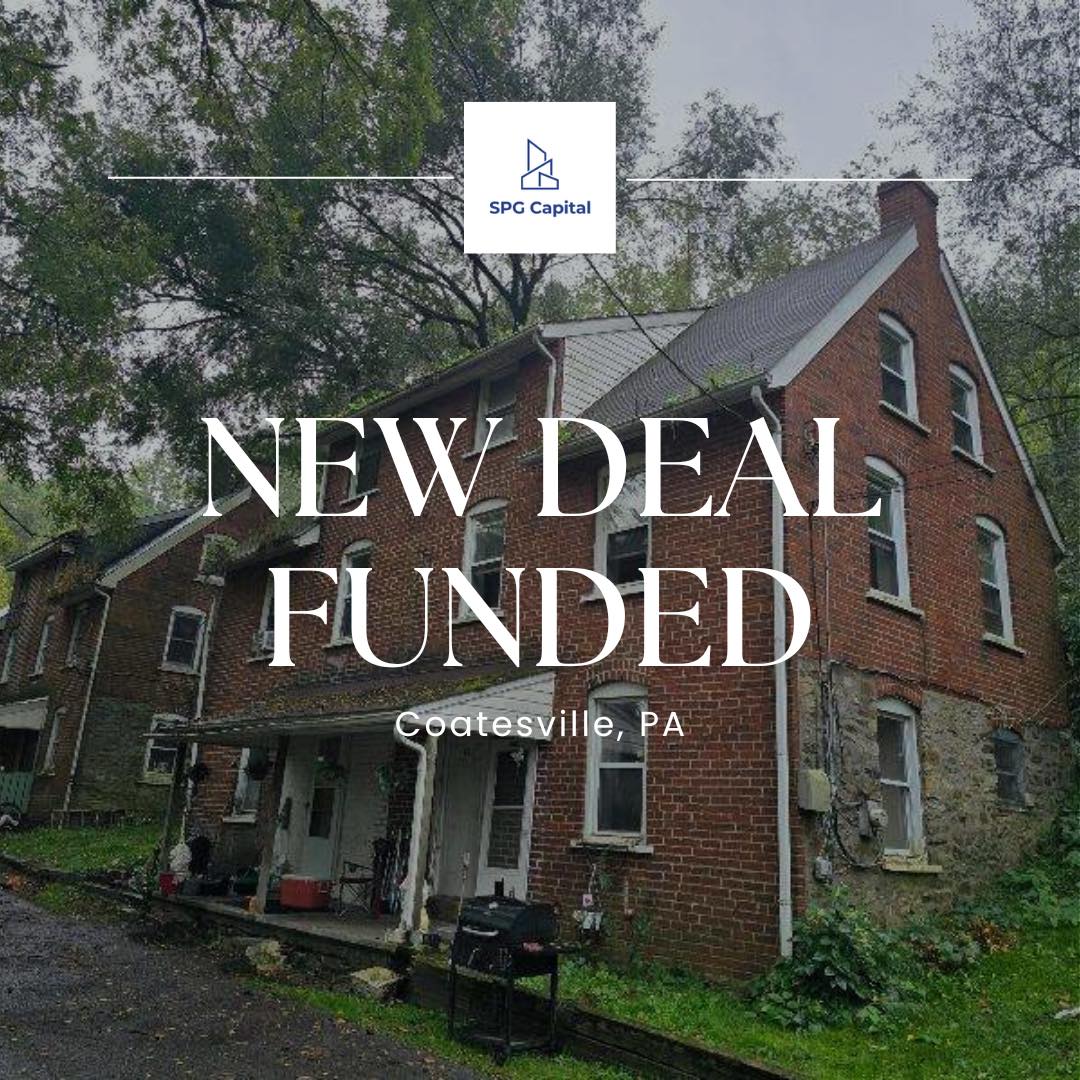
New Deal Alert! We Were the Borrowers on This One…
Most private lenders will tell you they understand real estate. Fewer can show you a house they bought, renovated, and put back on the market themselves.
Read More
SPG Capital Investor Appreciation Event Recap
See highlights from the SPG Capital investor appreciation event and how our growing investor community continues to shape what we are building.
Read MoreNew Deal Alert | Townsend, DE 19734
Some deals look like opportunities from the start. This one looked like a dumpster. Literally. ✅Purchased: $230,000 ✅Rehab : $100,000 ✅Pending Sale — $415,000 ✅3 offers in the first week When we walked this property, the previous owner had left behind years worth of junk — furniture, debris, you name it. Most investors would’ve walked. We saw the bones, ran…
Read More
Self-Directed IRAs: Your Retirement Account Can Do More.
About 20% of our $6.5M fund — roughly $1.3M — is invested through old IRAs and 401ks. Money that was just sitting there is now earning real returns. The Self-Directed IRA, explained. Most retirement accounts are stuck inside mutual funds, ETFs, and whatever options a brokerage puts in front of you. A Self-Directed IRA is…
Read More
Quarterly Update | Q1 2026
📊 By The Numbers (Last Quarter): – $141,000 in monthly distributions sent to our investors – 23 new short term real estate investment loans funded totaling $4.3M – 23 existing loans paid off totaling $4.0M~5 month average turnaround per deal – 5 month average turnaround per deal That’s the cycle we’re always aiming for—keep capital moving and…
Read More